
- 09:00 am - 06:00 pm
- We Serve with Pleasure
- (+88) 01321120650
- Discuss any Queries
The Thorough Breakdown of a Casino License
- 0 Comments
- By admin
- Uncategorized

I have spent years guiding players and affiliates on what constitutes an online casino trustworthy, and the single most important factor I invariably return to is the license https://wazamba-kasino.fi/legal-and-affiliates/. In Finland, the gaming landscape is unique because the state-owned Veikkaus holds a monopoly on most forms of gambling, yet thousands of Finnish players regularly choose internationally licensed platforms for their diversity, bonuses, and user experience. That choice makes understanding casino licensing not just a technical detail but a practical necessity. When I discuss a license, I am referring to a formal authorization issued by a regulatory body that requires the operator to follow strict rules on player protection, game fairness, anti-money laundering, and responsible gambling. Without it, you are fundamentally handing your money and personal data to an unaccountable entity. Throughout this article, I will break down exactly what a casino license involves, why it matters especially for Finnish players, how Wazamba Casino aligns with these standards, and what the license signifies for anyone considering an affiliate partnership with the brand.
Affiliate collaborations Under a Licensed Framework
From an affiliate perspective, I consider the license of a casino brand to be the foundation of a viable partnership. When I endorse Wazamba Casino, I am not just backing a gaming platform; I am tying my reputation with its regulatory standing. The affiliate programme run by Wazamba is organized around terms that are directly shaped by the license requirements, especially in areas like anti-money laundering and responsible marketing. I have examined the affiliate agreement and discovered that it prohibits targeting minors, requires clear disclosure of the affiliate relationship, and restricts the use of misleading advertising. These conditions safeguard both the affiliate and the end user, and they align with the broader Finnish consumer protection ethos even though the license originates outside Finland. For anyone building a long-term affiliate business targeted at the Finnish market, I highly recommend prioritising licensed operators. A license offers a stable legal foundation that diminishes the risk of sudden shutdowns, payment freezes, or reputational damage that can occur when promoting unregulated brands.
Why a Gambling License Matters in Finland
I regularly remind Finnish users that while Veikkaus is regulated by Finnish law, international online casinos are not subject to the same domestic regulatory framework. This does not mean they are prohibited or dangerous, but it does place the responsibility for verification squarely on the user. A legitimate license from a reputable authority such as Curacao eGaming, the Malta Gaming Authority, or the UK Gambling Commission acts as a replacement for local supervision. For me, the license is a signal that the casino has undergone background checks, keeps player funds separate, and has its games tested to independent testing. Within Finland, where the conversation around gambling harm receives serious attention, a licensed operator offers tools like deposit limits, self-exclusion, and gameplay reminders that reflect the safeguarding measures Veikkaus offers. I have encountered too many situations where unlicensed sites simply vanish with player money, and Finnish consumers have little legal recourse in those scenarios. Having a license does not eliminate all risk, but it dramatically reduces the probability of deception and ensures that a formal complaints process is available if something goes wrong.
The Anatomy of a Trusted Casino License
When I assess a license, I go beyond the logo in the website footer and examine the specific obligations it imposes. A robust license demands the operator to demonstrate the integrity of its random number generator through regular audits by firms like iTech Labs or eCOGRA. It also stipulates clear terms and conditions, straightforward bonus policies, and strict identity verification procedures to curb underage gambling and money laundering. From an operational perspective, the license governs how player funds must be held, usually in separate accounts that cannot be employed for the casino’s own business expenses. I also take note of the jurisdiction’s track record in managing disputes. Some licensing bodies have a perception for being little more than a rubber stamp, while others actively arbitrate between players and operators. For Finnish players who may not be conversant with international regulatory frameworks, I always suggest checking the license number and verifying it directly on the regulator’s official website. This simple step verifies that the license is active and that the operator is in good standing, which is the basis of any safe gambling experience.
How Wazamba Casino Complies with Regulatory Standards
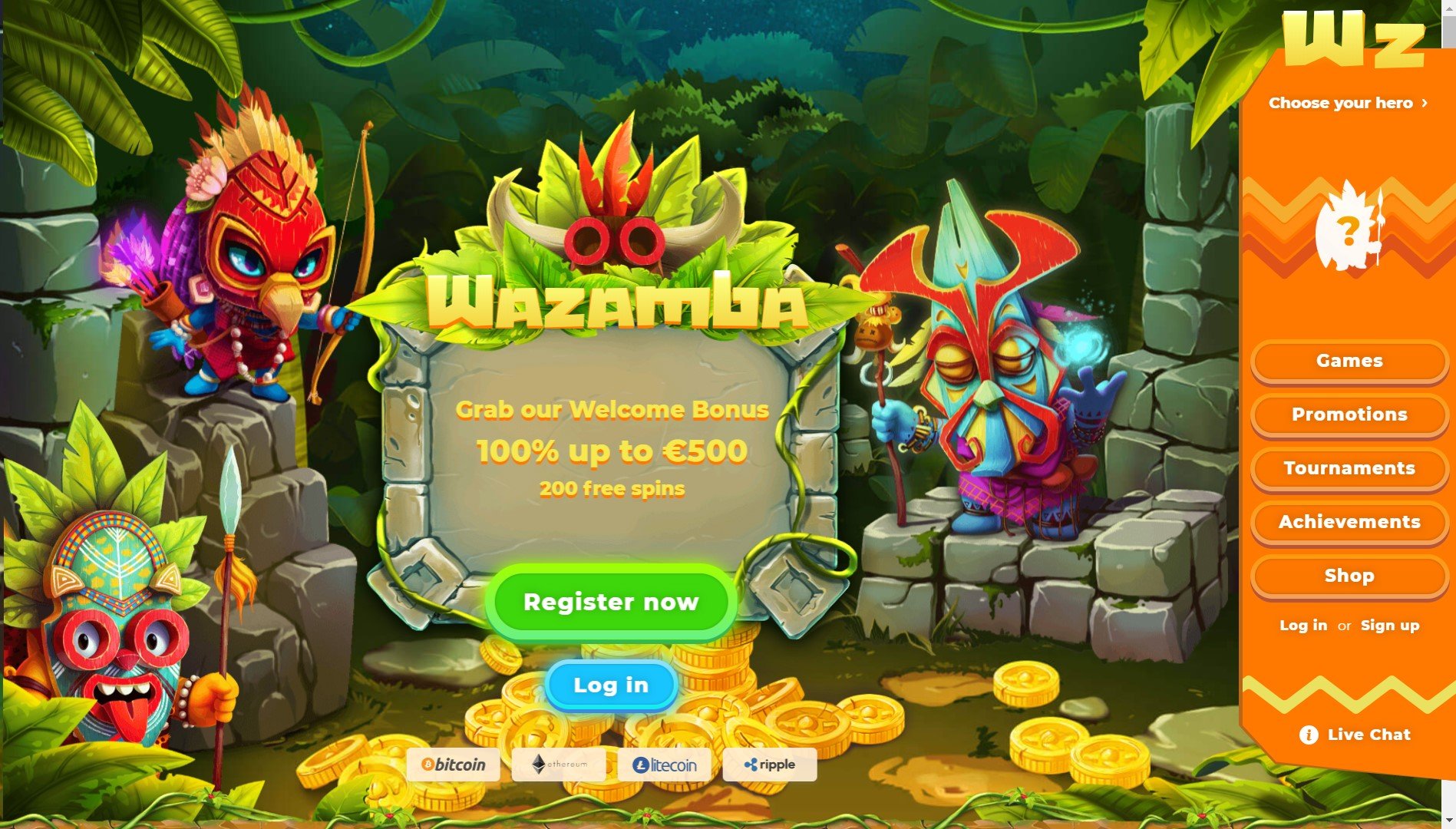
Wazamba Casino runs under a license granted by Curacao eGaming, a regulatory body that has significantly intensified its requirements in the last few years. I have reviewed the platform’s compliance documentation and found that it conforms to the core foundations I anticipate from any regulated operator. The casino uses SSL encryption to protect data, partners with approved game providers whose titles are externally evaluated for equity, and keeps a ethical gambling page that features self-assessment tests, cooling-off periods, and direct links to assistance organizations that serve Finnish speakers. In my evaluation, the Curacao license owned by Wazamba Casino is not just a technicality; it puts the operator to ongoing supervision and demands it to sustain a real-world presence and a registered agent within the territory. This framework gives players a tangible point of responsibility. For me, the combination of a confirmable license, inspected game outcomes, and a visible dedication to player welfare positions Wazamba a sensible selection for Finnish players who want to venture beyond the domestic monopoly without sacrificing safety.
Frequently Asked Questions About Casino Licensing
Does a Curacao license work for Finnish players?
I get this question frequently, and my answer is nuanced. A Curacao license, particularly the newer sub-license framework, is not identical to a Malta or UK license in terms of player compensation funds or the rigor of advertising rules. However, it does enforce fundamental standards that differentiate legitimate operators from completely unregulated entities. For players in Finland, the practical gap often lies in the dispute resolution procedure. If a problem occurs with a Curacao-licensed casino, the regulator can step in, but the process may be more lengthy and less consumer-facing than some European alternatives. I still view it as a meaningful layer of protection, particularly when the casino enhances it with independent game certifications and a transparent privacy statement. Finally, I advise players to approach the license as a essential condition, not a blank guarantee, and to supplement it with their own due diligence on the casino’s track record and user feedback from the Finnish community.
What are the consequences of an unlicensed casino?
When I encounter an unlicensed casino, I observe a complete dearth of external accountability. There is no body to verify that the games are fair, no mandate to segregate player funds, and no obligation to honour withdrawal requests. In such cases, Finnish players have virtually no path to recover lost deposits or disputed winnings. I have recorded instances where unlicensed platforms modified terms retroactively, imposed impossible wagering requirements, or simply closed down without notice. Beyond financial risk, unlicensed sites often lack even basic data protection measures, leaving personal and banking information vulnerable. From a legal standpoint, while Finnish authorities do not prosecute individual players for using offshore sites, they also cannot assist in disputes with unregulated entities. My consistent recommendation is to steer clear of any casino that cannot produce a verifiable license number from a recognised jurisdiction, no matter how attractive the bonus offer appears.
How can I independently verify Wazamba Casino’s license?
I consistently encourage a hands-on approach to license verification because it takes merely a few minutes and offers concrete proof. Wazamba Casino displays its Curacao license details in the website footer, and I have ascertained that the details are current. To verify it personally, you are able to visit the official Curacao eGaming checking portal and enter the license number given. The system will show the registered operator name, the license status, and the authorised domain. If the information matches what the casino presents, you possess a strong indicator of legitimacy. I also suggest checking the certificate of the independent testing agency that audits the casino’s games, which is commonly linked in the fairness or RTP section of the site. These steps form a chain of evidence that is difficult for a fraudulent operator to fake.
Further Checks I Carry Out
Apart from the official registry, I seek consistency in the operator’s corporate details across multiple sources. I cross-reference the company name on the license with the entity listed in the privacy policy and terms of service. I also search for any public statements from the regulator regarding fines or warnings given to the operator. For Wazamba Casino, my checks have not revealed any red flags, and the jeuxvideo.com license has remained in good standing throughout my review period. I find that this layered verification approach, combining official records with community feedback and technical audits, gives me the confidence to recommend the platform to Finnish players who request my professional opinion.

Understanding a casino license is not a one-time task but an ongoing practice that safeguards both your money and your peace of mind. I have discussed the specific ways a license functions, how it relates to the Finnish context, and what it means for players and affiliates considering Wazamba Casino. The license is the single most reliable indicator of an operator’s commitment to fairness, security, and accountability, and I trust this breakdown offers you the tools to make informed decisions every time you engage with an online casino.